
Collaboration for conservation impact
Take a look at the highlights from the EAZA Conservation Forum, held at Opel-Zoo from 19 to 22 May 2026.
EAZA Conservation Forum 2026
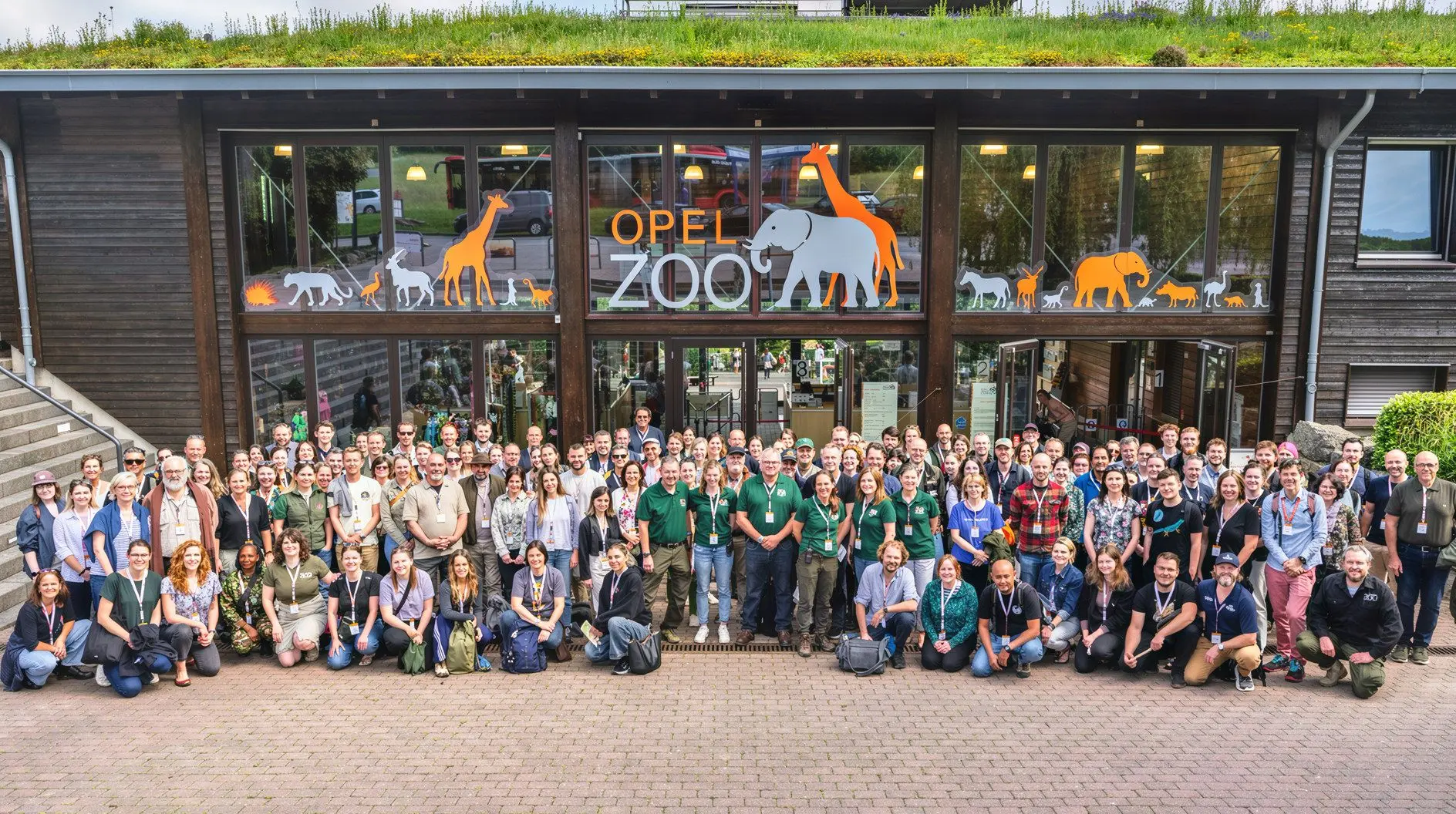
From 19–22 May, 159 participants from 28 countries gathered at Opel-Zoo in Germany to explore how conservation advances when zoos, aquariums, NGOs, researchers, local communities, and policymakers work together.
Trust, shared responsibility and strong local partnerships were at the heart of the discussions at the EAZA Conservation Forum, highlighting that conservation depends on trust as much as it does on science.
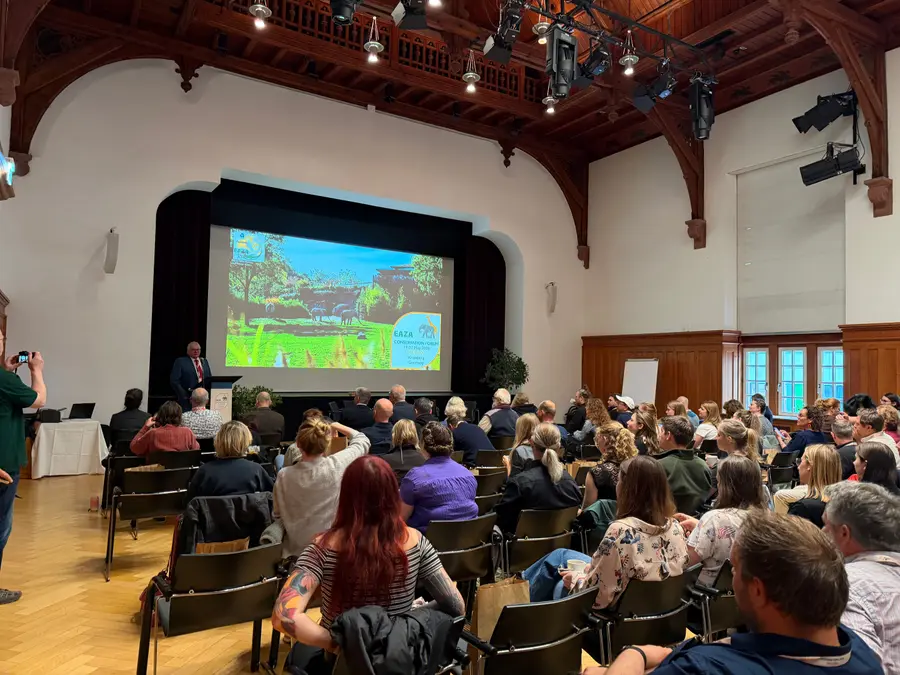
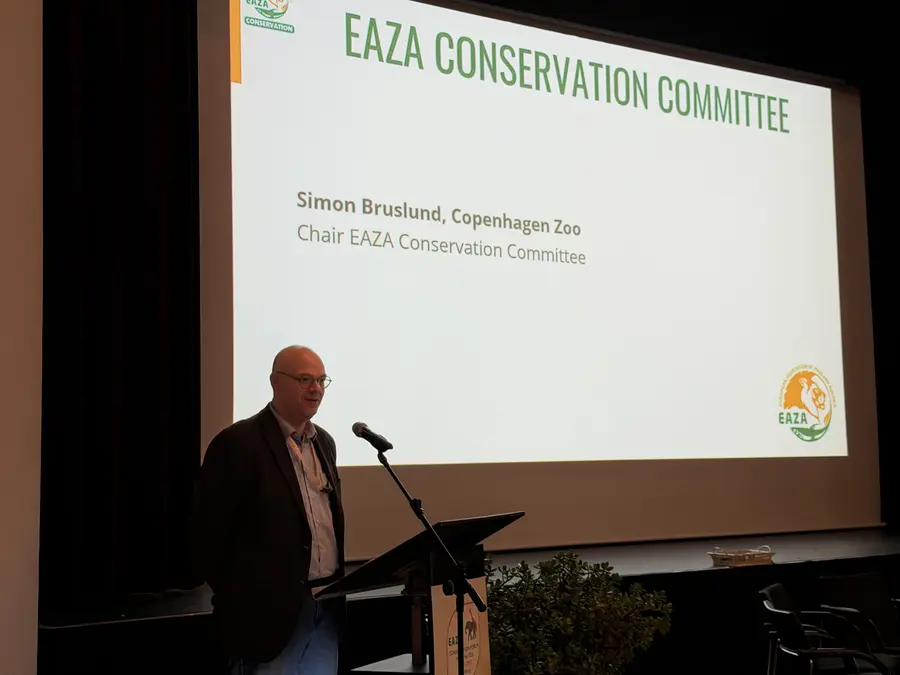
The Forum, which takes place every two years, began with welcome remarks from Thomas Kauffels, Director at Opel-Zoo, Christoph König, Mayor of Kronberg im Taunus, and Jörg Jebram, Curator at Opel-Zoo. Together with facilitator Simon Bruslund, Director of Global Development at Copenhagen Zoo (Denmark) and Chair of EAZA Conservation Committee, they set the tone for the Forum by reminding participants of the crucial mission of this event: building a stronger, more connected conservation community. The programme continued with a keynote talk by Vincent Nijman, Professor at Oxford Wildlife Trade Research Group, who gave an engaging exploration of combating illegal wildlife trade through a social science lens, focusing on ethical and professional decision-making in practice.




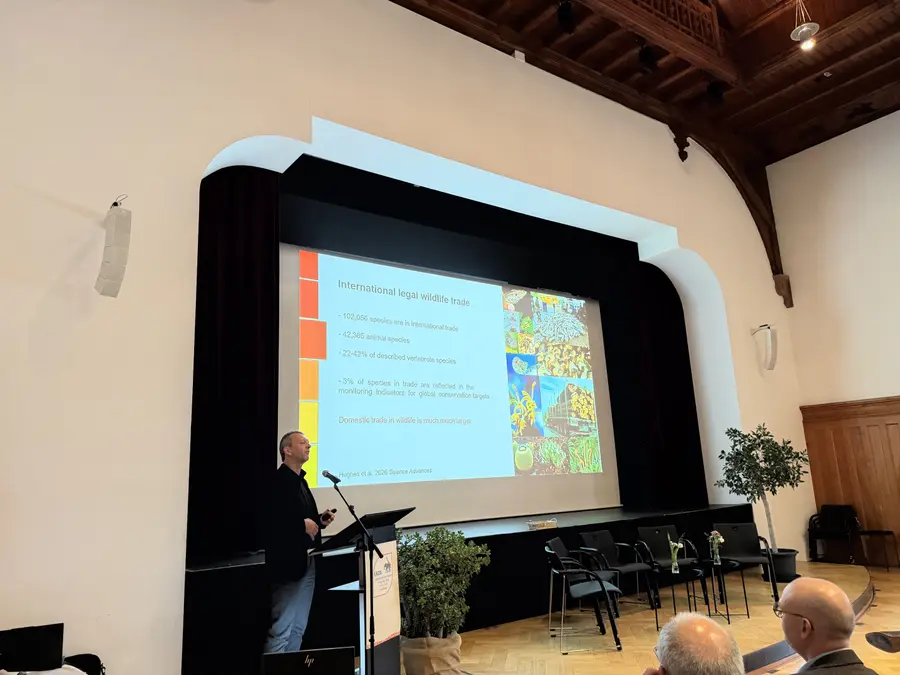
The discussions focused on three interconnected themes:
Inclusive conservation in practice
The first theme explored how conservation is strongest when it reflects people’s realities, values local knowledge, and creates benefits for both biodiversity and communities.
In her keynote presentation, Barbara de Mori, Professor and Director at the University of Padua (Italy), examined the role of ethical decision-making in conservation. Building on this theme, other speakers shared powerful examples of community-centred work, from women’s empowerment in Kenya and South Africa to participatory monitoring in French Guiana and reef conservation in Bonaire.


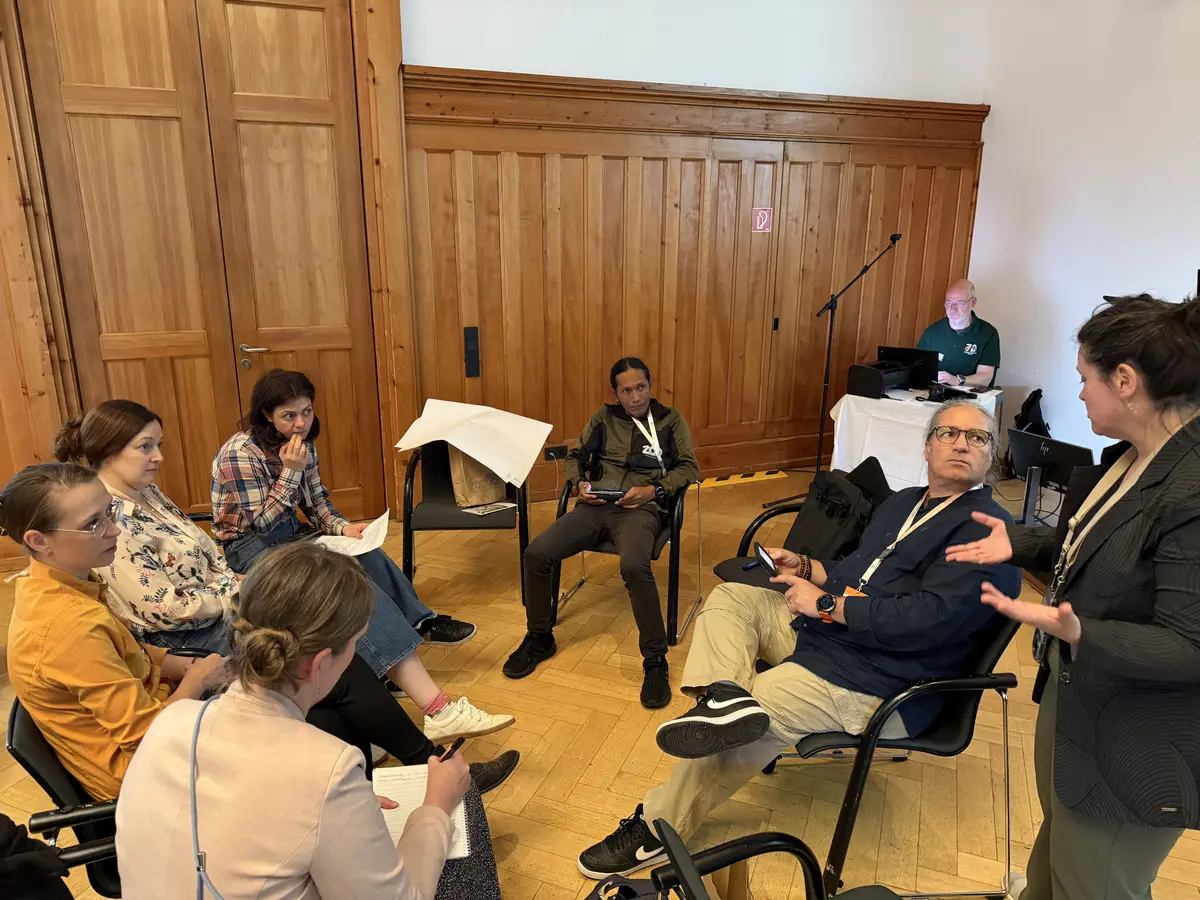
Collaboration for conservation impact
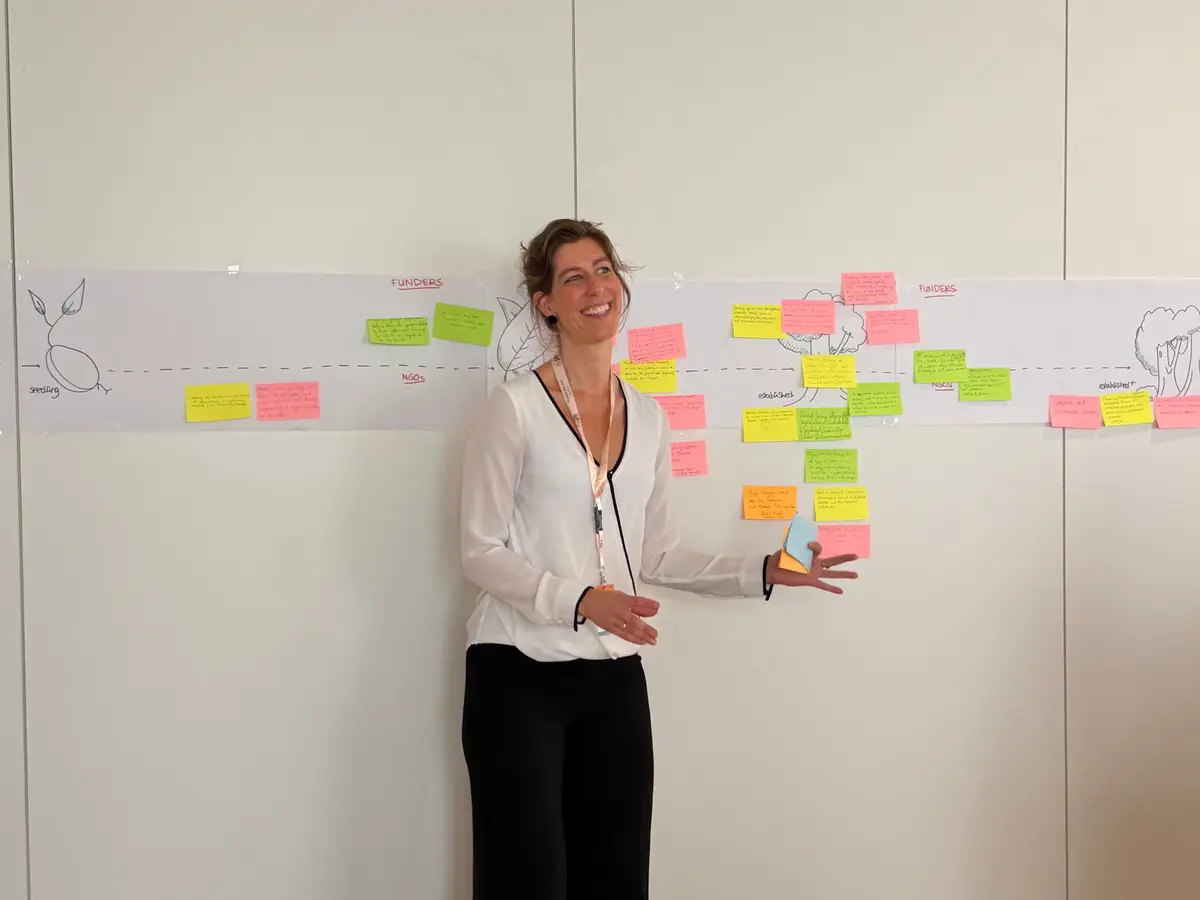
This theme highlighted the power of partnerships to help bridge sectors, cultures, and knowledge systems for lasting conservation impact.
Several sessions highlighted examples like AI-supported lemur monitoring in Madagascar, merging projects for increased impact for large carnivore conservation in South Africa, long-term partnerships helping recover the Blue-throated macaw in Bolivia and much more.

Conservation policy and practice in Europe
On the final day, the focus shifted to Europe, connecting policy with practical action.
Keynote speakers Ruben Khachatryan, Director of the Foundation for the Preservation of Wildlife and Cultural Assets (Armenia), and IUCN Council member for Eastern Europe, North & Central Asia, and Ann Kathrine Garn, Director of Conservation at Copenhagen Zoo, and IUCN Council member for Western Europe, provided an insight on how EAZA Members can work together with the wider conservation community through the IUCN network. Participants also heard about transnational pollinator conservation, local species recovery, salamander and ray conservation networks, and the growing role of the IUCN SSC Centres for Species Survival in linking expertise with action.

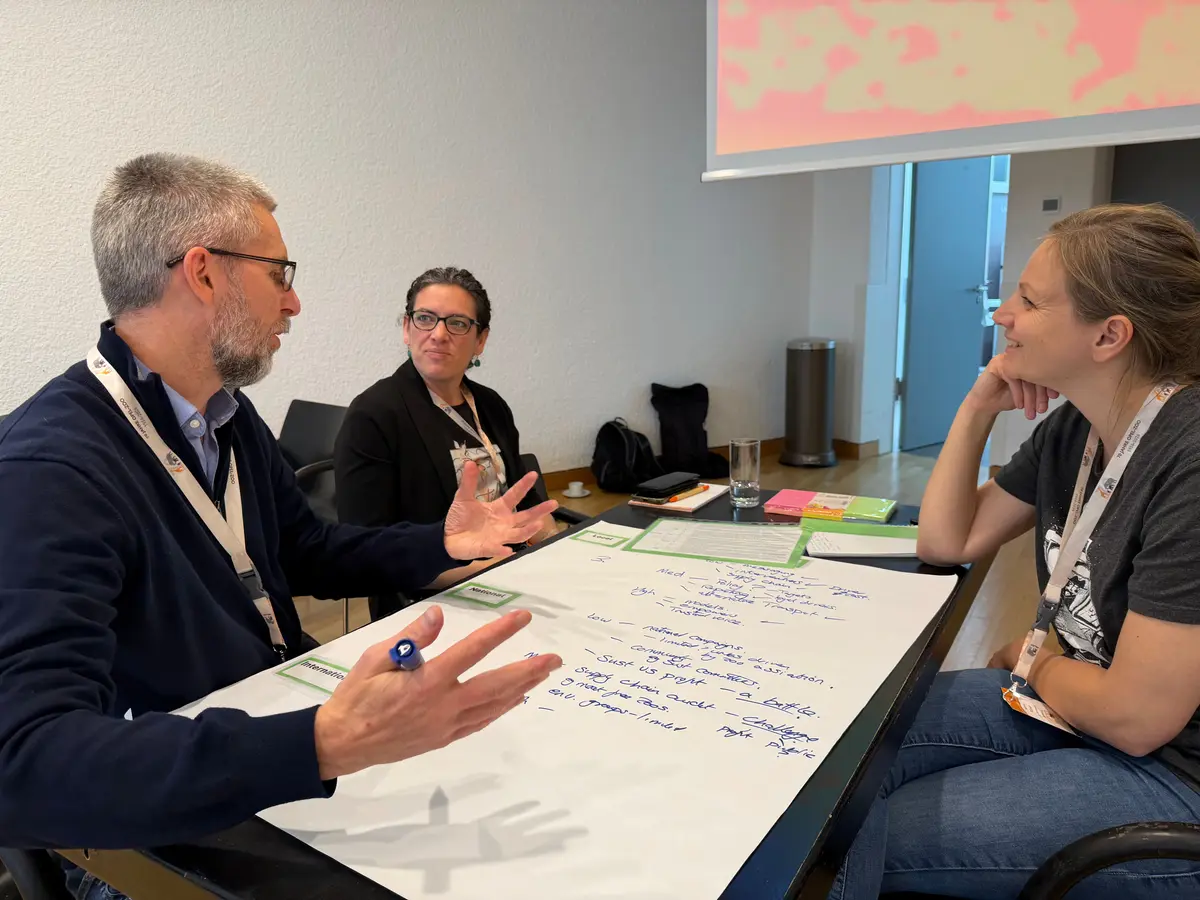
Over four days, participants gained practical tools, shared knowledge, and found new inspiration for their conservation work.
In addition to the formal programme, they had many opportunities for exchange and networking, including the farewell dinner and a visit to Opel-Zoo.

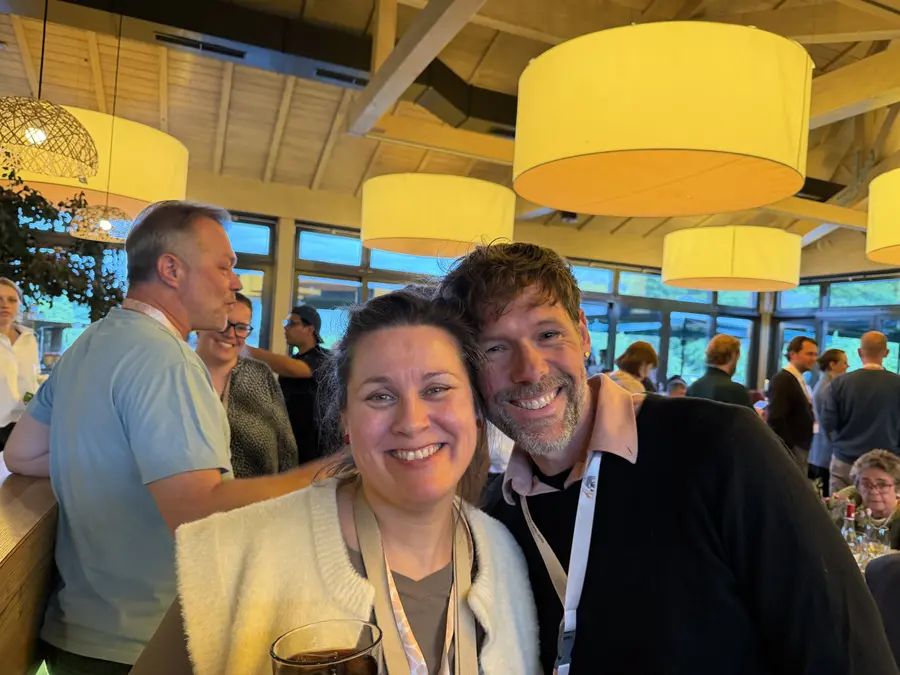

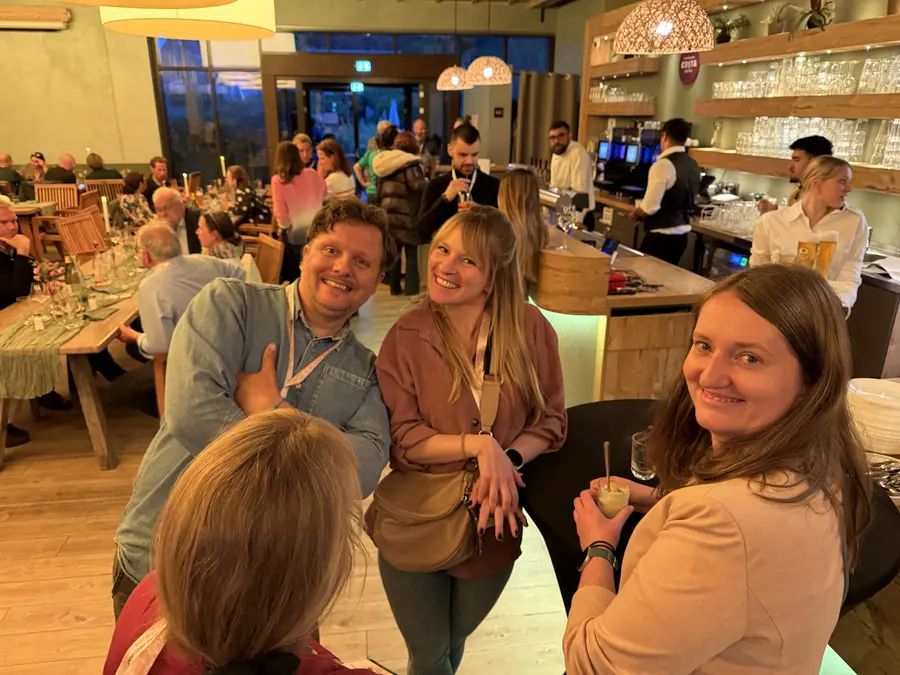

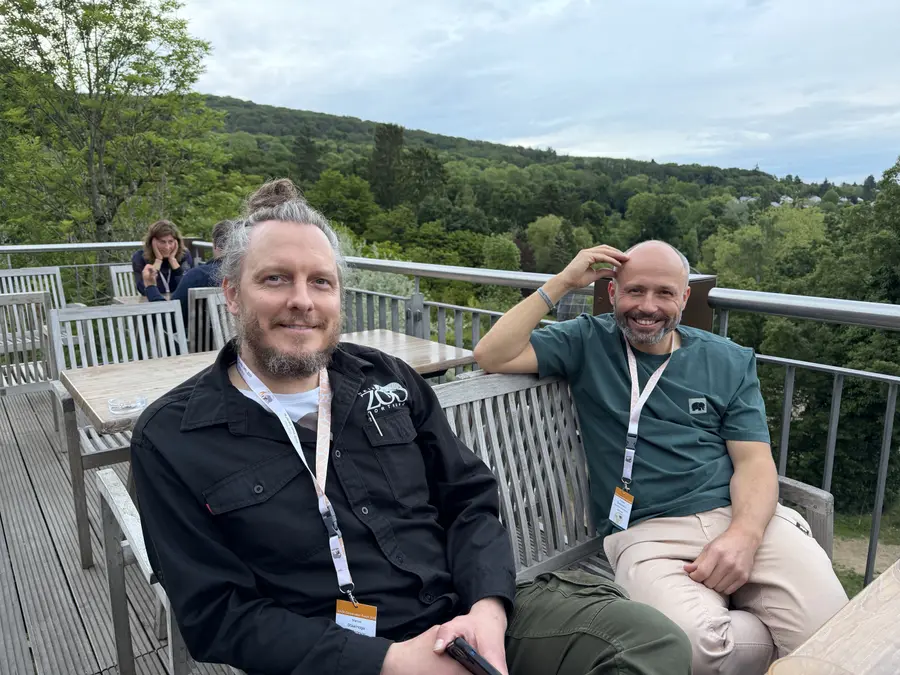
Thank you to everyone who contributed, presented and participated, and especially to Opel-Zoo for hosting this inspiring edition of the Forum!
All photos ©️ Opel-Zoo / EAZA
Blog post by Merel Zimmermann and Camila Farah, 10 June 2026