
Merci, Paris!
Explore the highlights from the EAZA Annual Conference 2026, hosted by Paris Zoo and La Ménagerie du Jardin des Plantes (France) from 29 September to 3 October.
Collaboration Driving Conservation, Research, Animal Care and Education
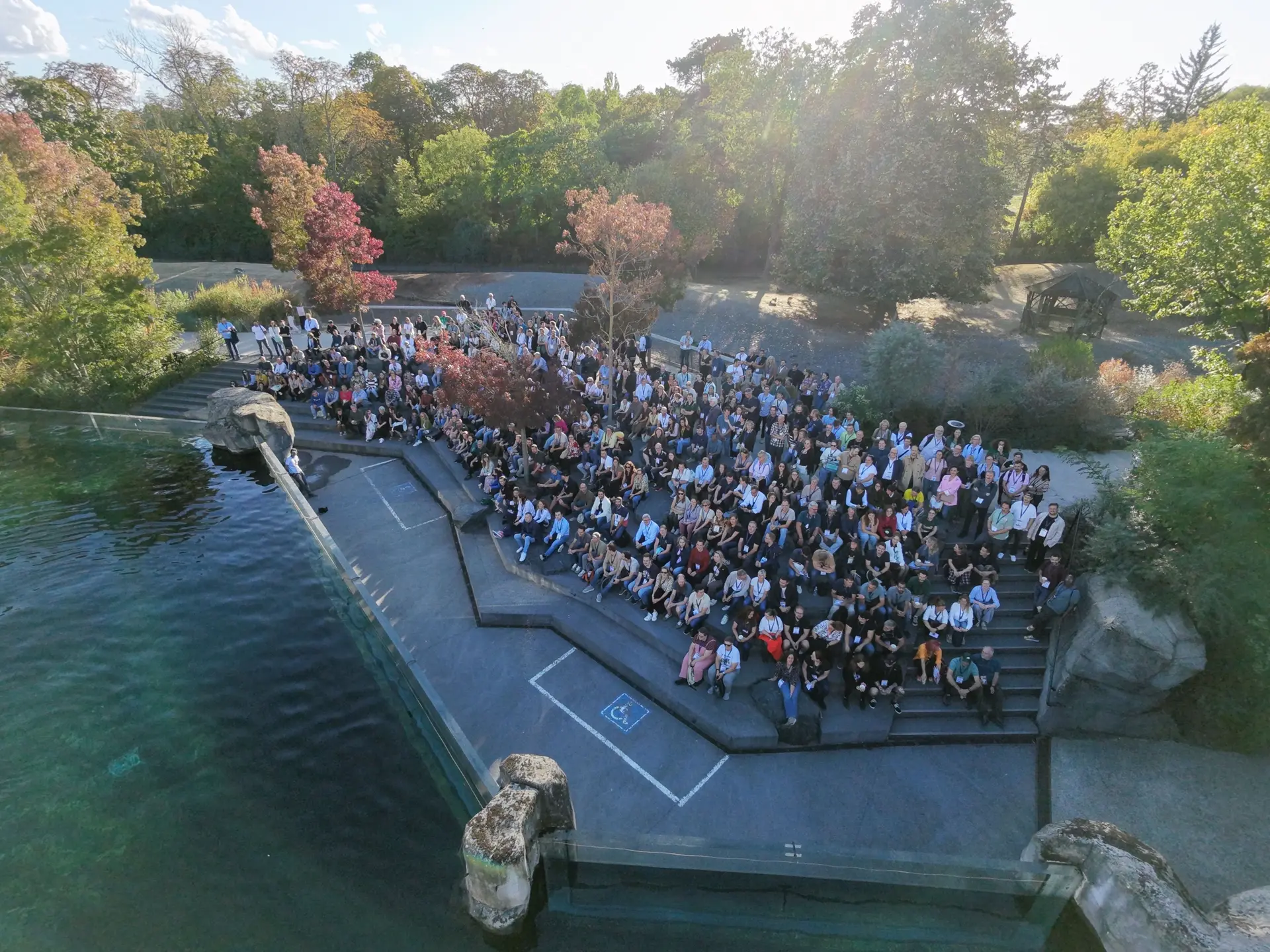
More than 1,080 participants from 69 countries gathered in Paris from 29 September to 3 October for the EAZA Annual Conference 2026, hosted by Paris Zoo and La Ménagerie du Jardin des Plantes (France). The conference (the first ever to fully sell out!) showcased the strength of the EAZA community and the vital role collaboration plays in advancing the mission of modern zoos and aquariums.
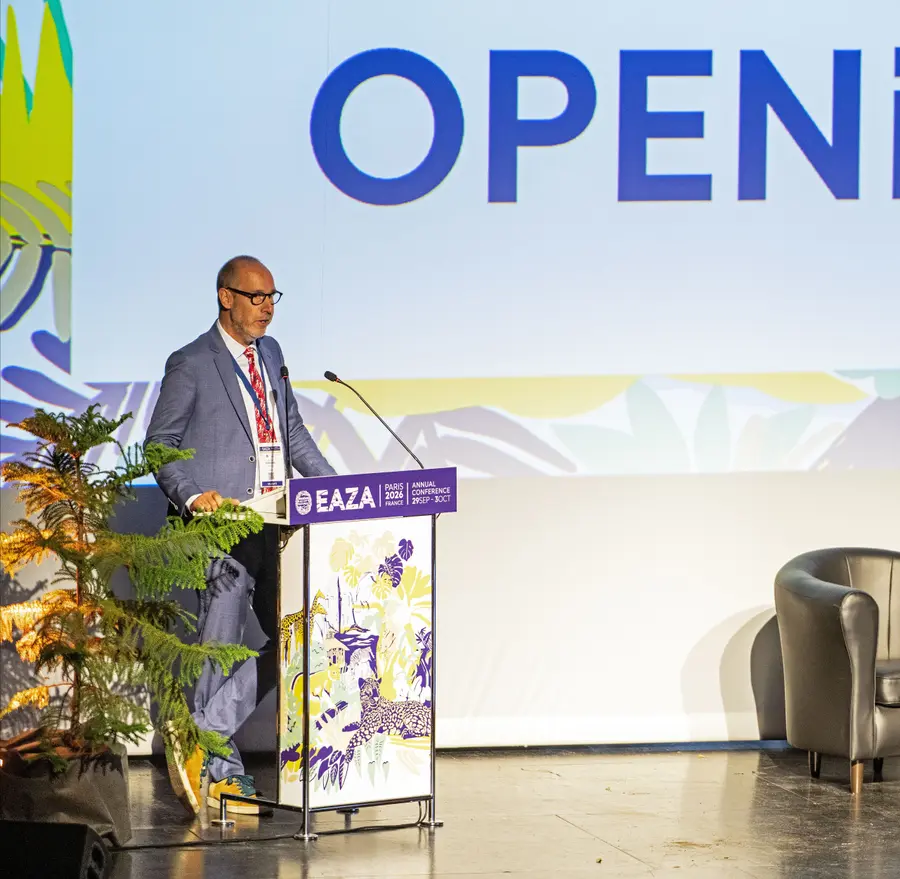
Across five days, delegates explored the latest developments in conservation, research, animal care and education, while sharing knowledge, building partnerships and discussing how to strengthen impact for wildlife. Christoph Schwitzer, Chair of EAZA, highlighted that the Association’s strength lies in the expertise and commitment of its Members and in delivering evidence-based, well-resourced work supported by strong standards.






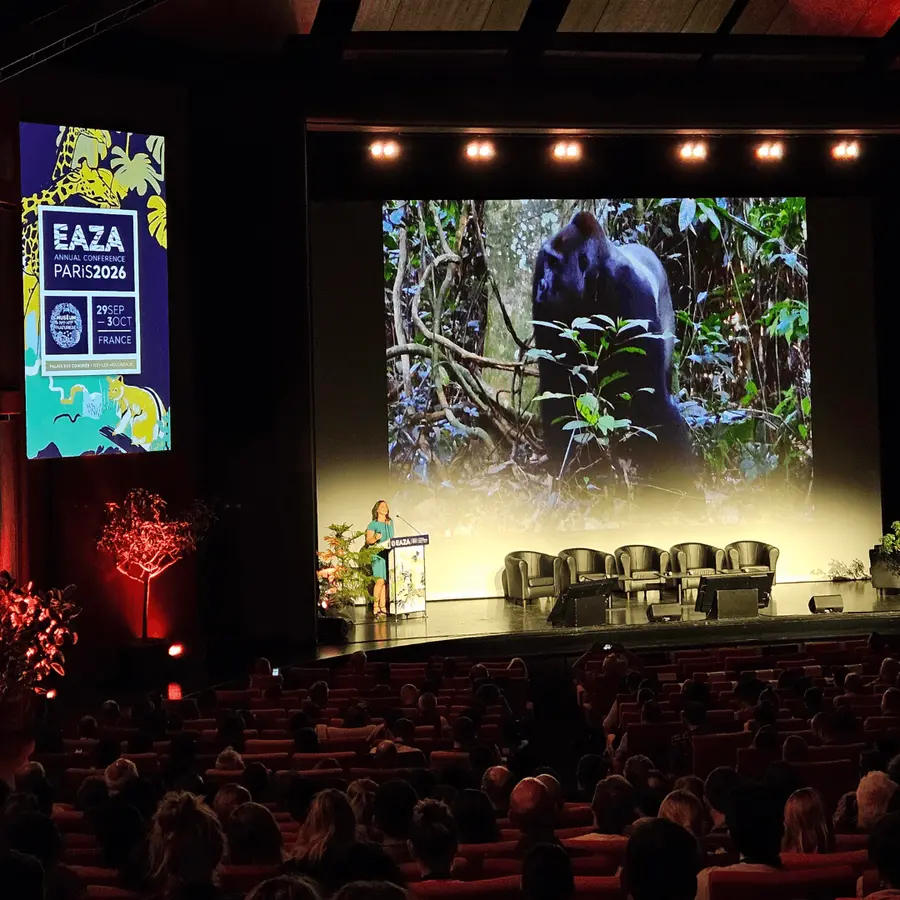


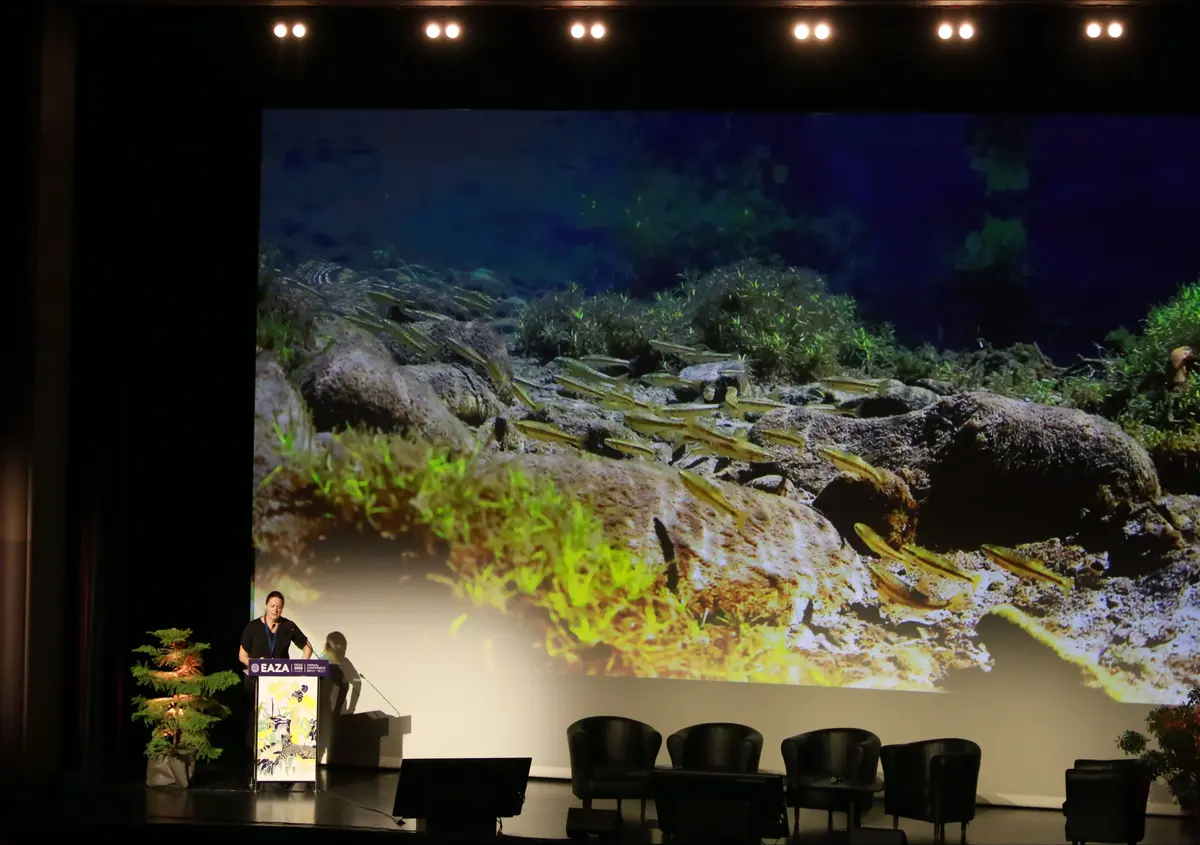
Conservation at the heart of EAZA
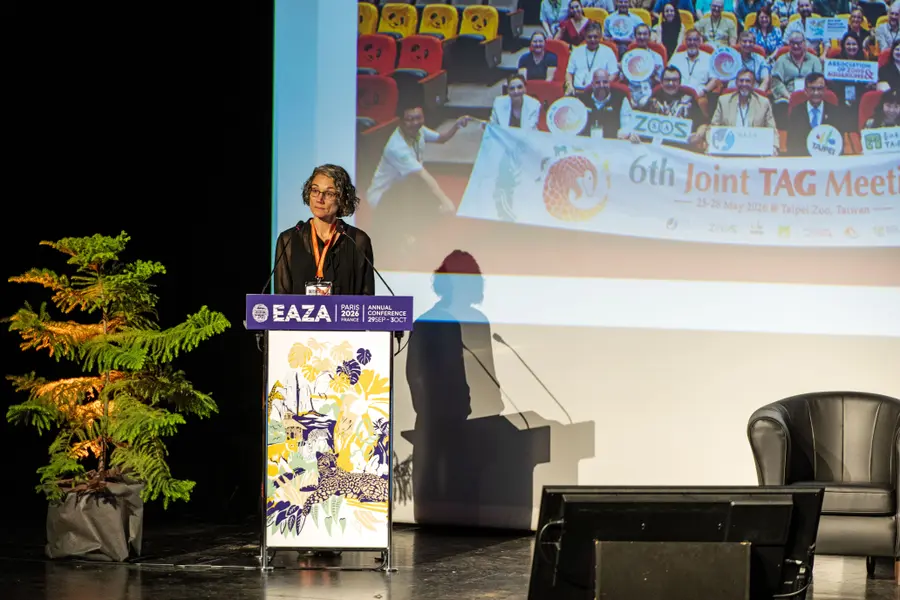
Conservation remained a central theme throughout the programme. Participants heard how four out of five EAZA Ex situ Programmes (EEPs) now have a direct conservation role, with around 220 EEPs considered essential for the conservation of their species. Sessions focused on strengthening conservation impact through collaboration, strategic population management and engagement with international policy processes.
The Conservation Plenary highlighted the power of storytelling in inspiring support for lesser-known species, while also showcasing the five projects supported by EAZA’s Wetlands for Life campaign, which contributes to wetland conservation and community engagement across multiple countries.


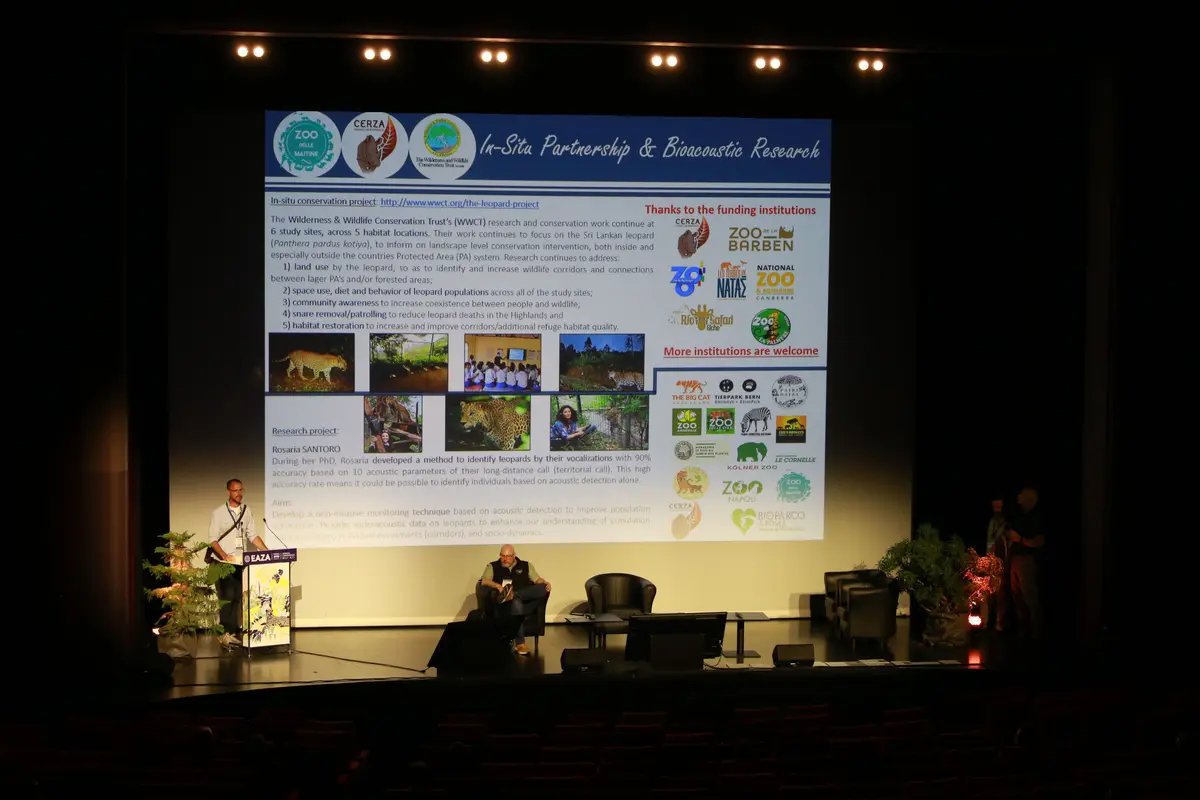
Research informing better decisions
Research featured prominently across the conference as a tool for improving conservation and animal care outcomes. We explored how zoo-based research contributes to scientific understanding and complements field studies. Speakers also challenged participants to focus not only on generating more data, but on asking the right questions, measuring meaningful outcomes and sharing findings widely.
Emerging topics included biobanking, cryopreservation and reproductive technologies, demonstrating how scientific innovation is creating new opportunities to support threatened species.

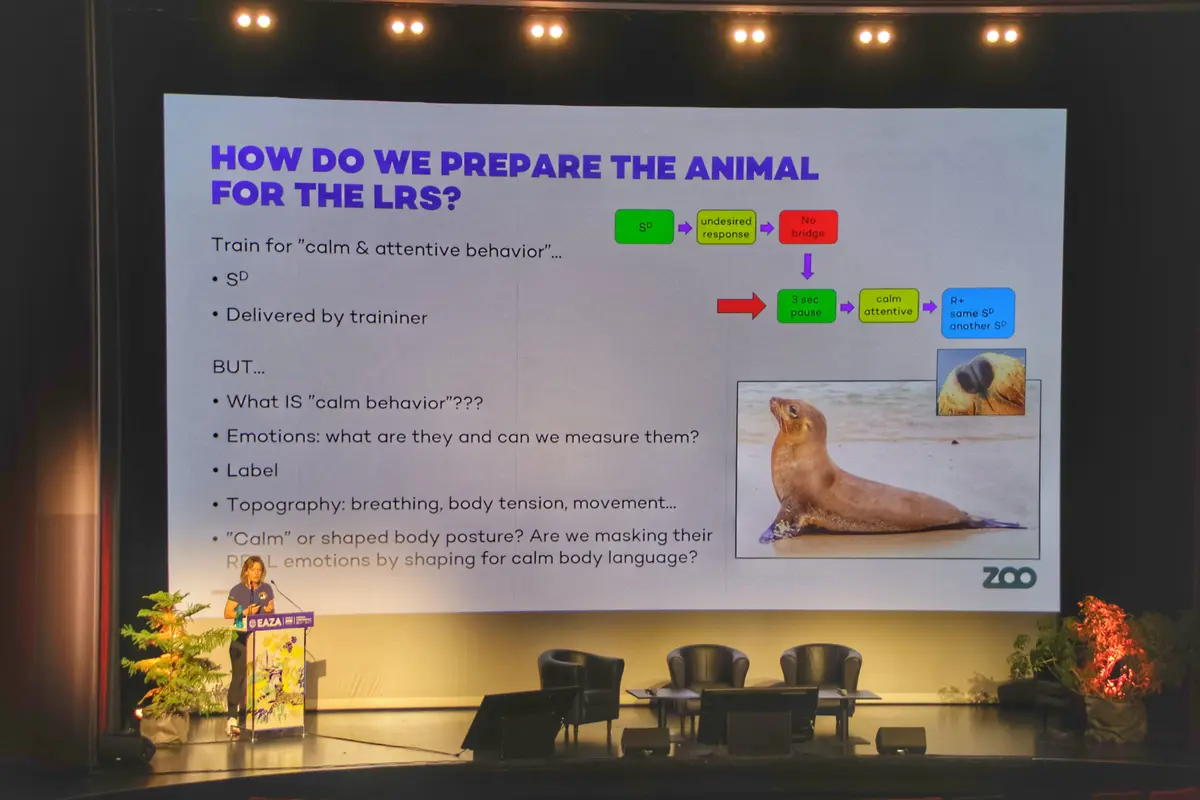
Advancing animal welfare and health
Animal welfare, training and veterinary care were strongly represented throughout the week. Sessions explored how training and enclosure design can give animals greater control over their environment, alongside practical approaches to welfare assessment and enrichment.
The Veterinary Plenary emphasised the growing importance of wildlife health monitoring and preparedness for emerging disease threats. Speakers highlighted the critical role veterinary expertise plays in both ex situ population management and wider conservation efforts.


Inspiring action through education and communication
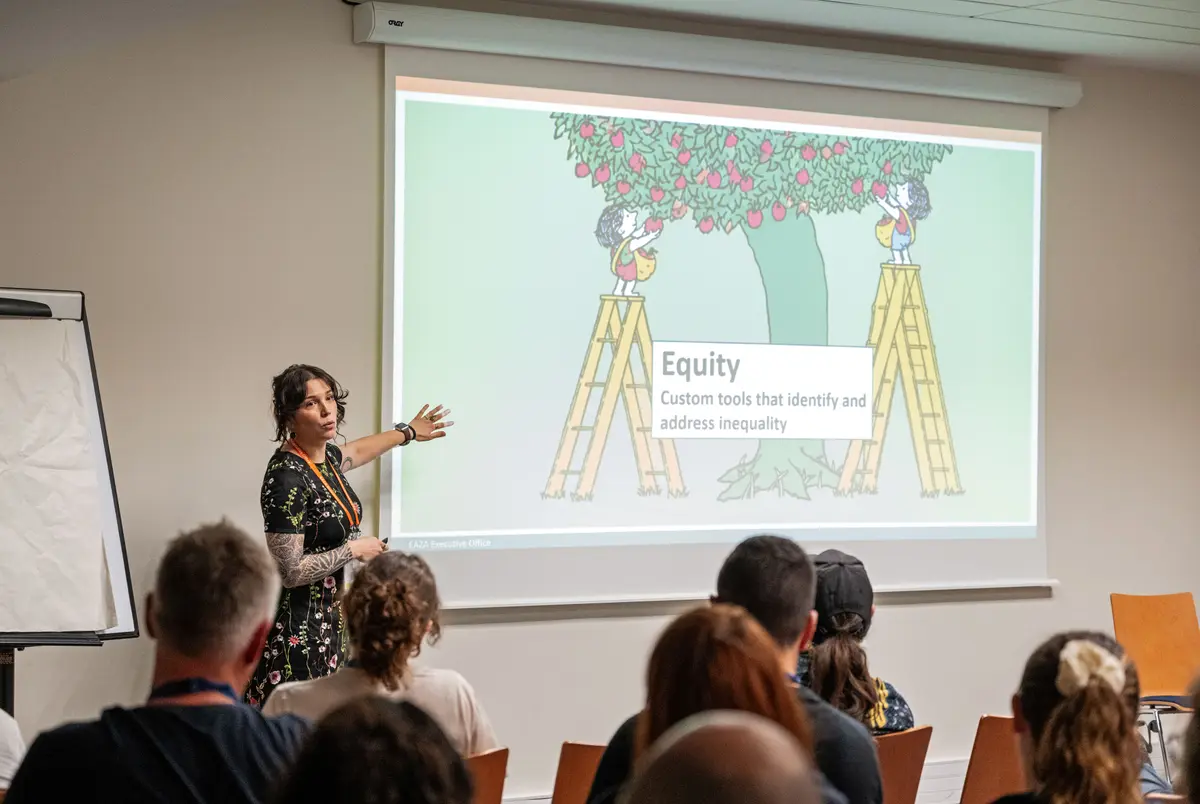
Communicators and educators took part in a wide range of sessions focused on encouraging sustainable behaviours, communicating complex environmental issues and creating meaningful visitor experiences. A recurring message was that facts alone rarely change behaviour; effective storytelling and emotional connections are equally important.
The conference reinforced the unique position of zoos and aquariums as places where people can connect with nature and be inspired to take action for wildlife.
Congratulations to our Lifetime Achievement Awardees 2026
We concluded an inspiring week by celebrating two individuals whose contributions to the zoo community will continue to inspire future generations.


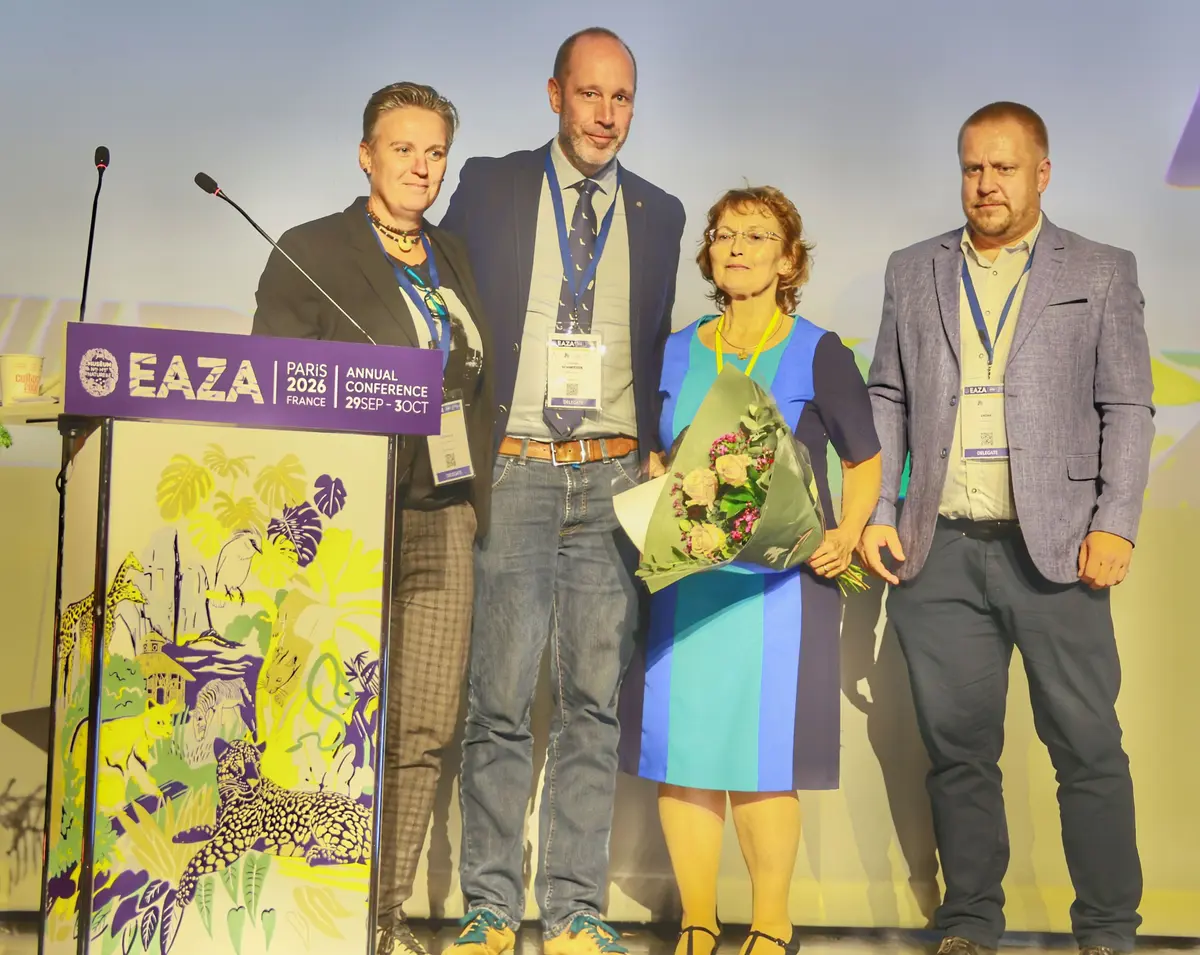
Kristina Tomášová - Safari Park Dvůr Králové (Czechia)
A founding coordinator of the White Rhinoceros EAZA Ex situ Programme and a long-standing contributor to population management, Kristina helped establish the collaborative approach that underpins EEPs today. Her work connected zoo practice with research, strengthened rhinoceros husbandry and reproductive science, and helped bring Central and Eastern European zoos more closely into the EAZA community. She also shared that spirit of cooperation with younger colleagues, helping shape a professional culture built on science, shared responsibility and animal care.


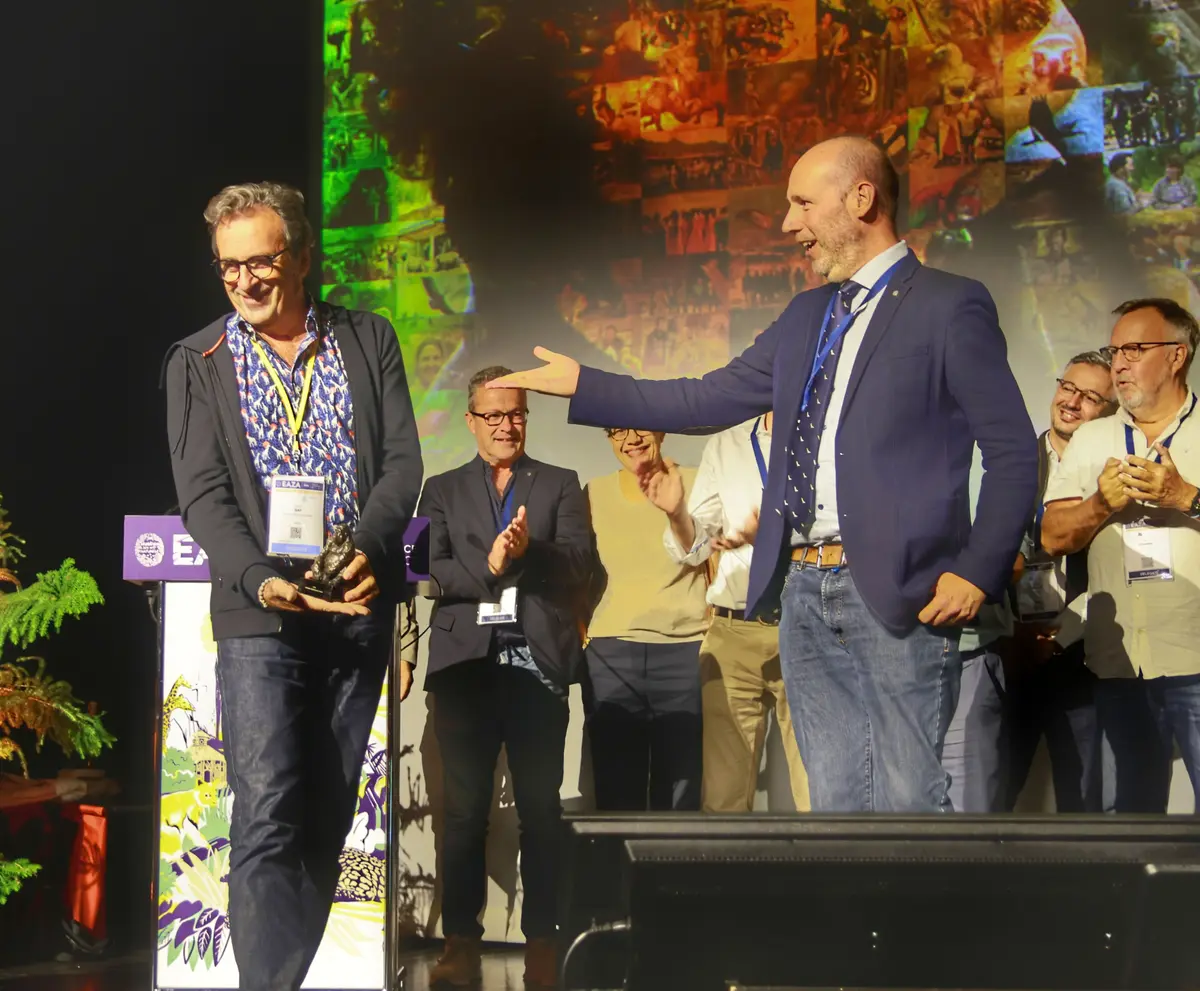
Pierre Gay - Bioparc Doué la Fontaine (France)
Since 1971 at Bioparc de Doué la Fontaine and 1998 at Zoo des Sables, Pierre Gay has excelled in species conservation (both in situ and ex situ), innovative zoological management, and inclusive leadership. He has held may roles over the years from EAZA EEP coordinator for black spider monkey to Council Member for France; aways placing holistic, long-term support for species conservation at the heart of his activities. Pierre’s legacy is extensive, and he still remains active leading the Bioparc Conservation organisation.
Looking ahead
As the conference drew to a close, attendees reflected on both the challenges and opportunities facing the zoological community. After a week of exchanging ideas, celebrating achievements and strengthening partnerships, participants left Paris with renewed motivation to work together for wildlife conservation.


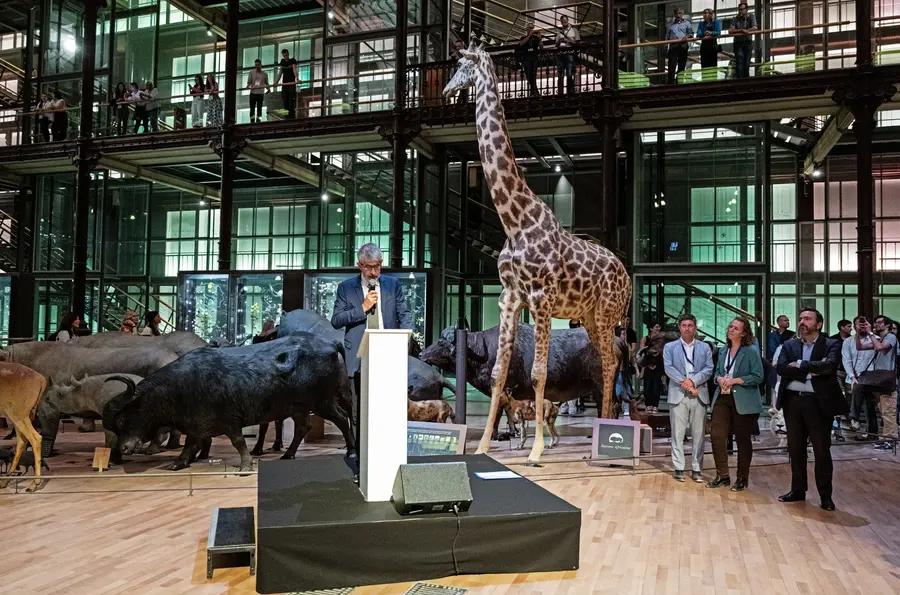

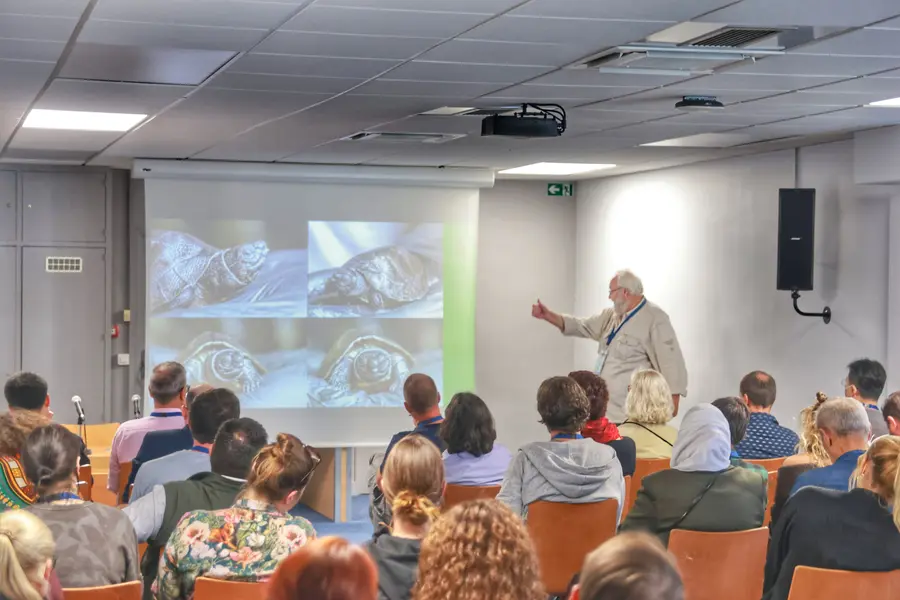

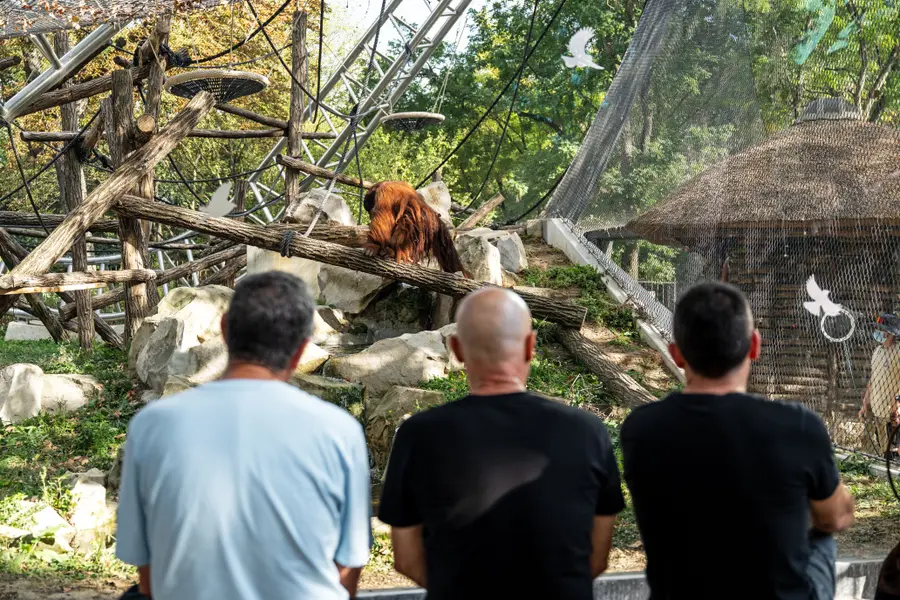
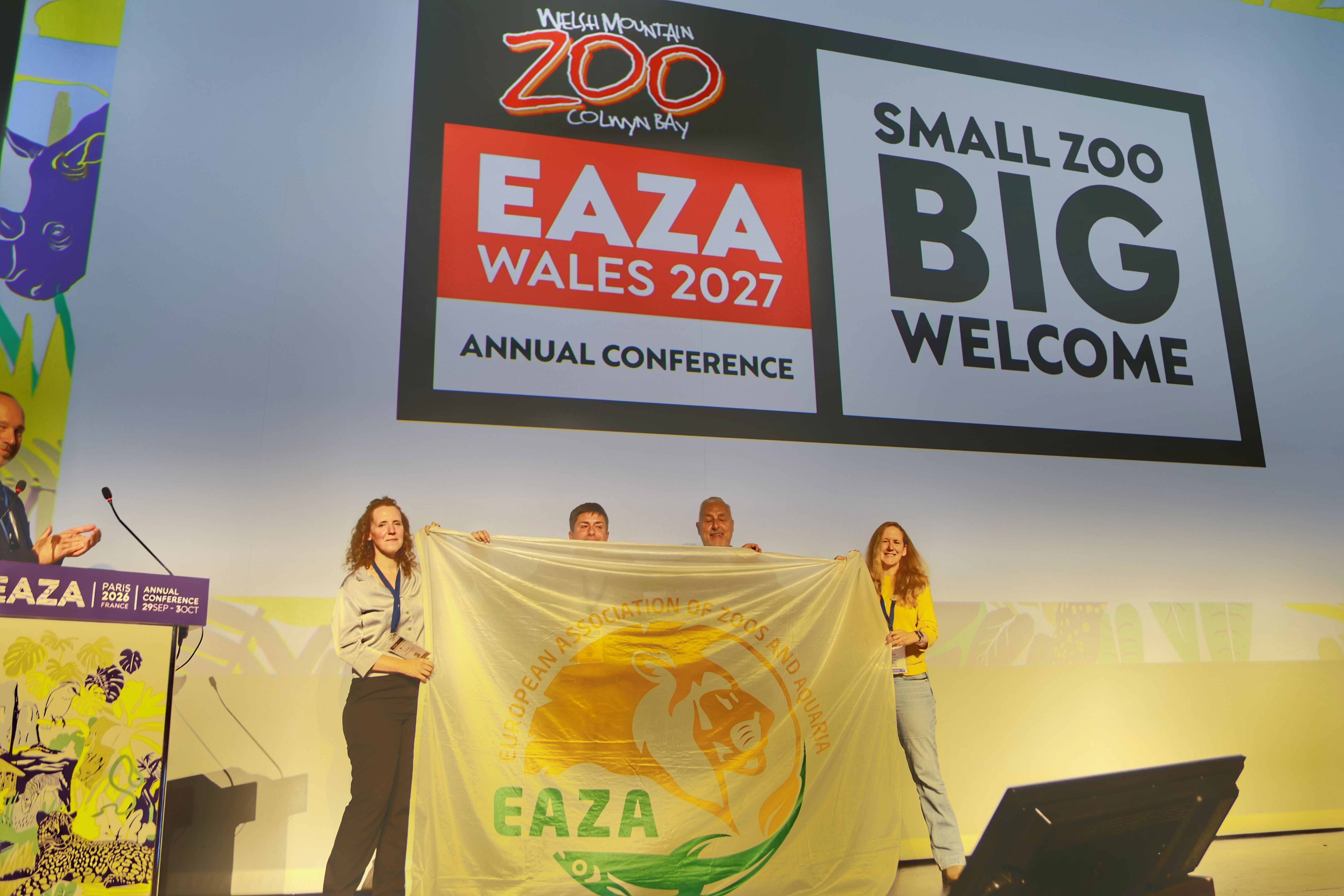
EAZA extends its thanks to the hosts, speakers, sponsors and delegates who made the event a success and looks forward to welcoming the community to the EAZA Annual Conference 2027 at Welsh Mountain Zoo (UK) from 28 September to 2 October 2027.
Pictures on this page © G. Balemboy, Ivan Bargui, Celine Renac (MNHN). Drone video © Clement Russo
Blog post by Sandrine Camus, 12 October 2026